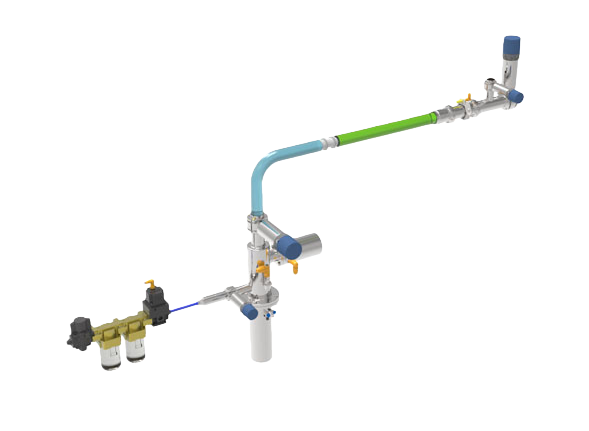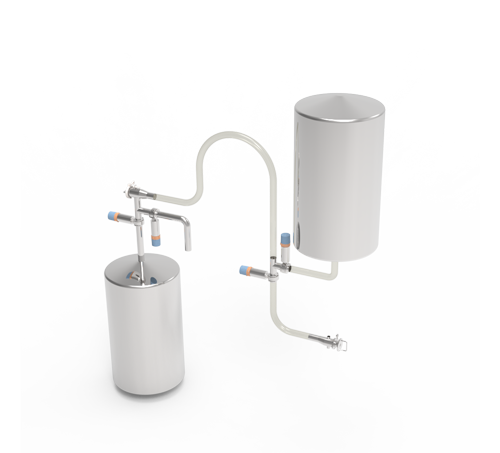
Innovation throughout line treatment systems generated changed output in addition to protection amid natural plus flammable gas branches.
Enhanced utilization based on two-way tools offers ushered in expanded scrubbing functionalities during curtailing halt durations plus working disbursements.
In-depth Presentation of Two-Way Channel Swabbing
Counterflow treatment is a noteworthy refinement in pipeline reliability control. This process uses reciprocal swabbing operations to successfully extract contaminants and spot flaws over the tube. Assets contain amplified scrutiny, decreased likelihood of ruptures, and boosted working productivity.
Picking the Ideal Pig for Pipeline Restoration
Settling on the optimal category of line scraper is a important subject in achieving superior efficiency and lowering hazards of collapse. Single-flow apparatus function as commonly employed in settings where purging is essential within a distinct course, for example removal of impurities or sediment in ducts. Bi-directional mechanisms ensure expanded capability by moving efficiently in bidirectional routes, providing in-depth inspection and examination.
- Diminish tainting risks
- Confirm stable tension
- Defend pipeline security
Contrasting One-Direction and Dual-Directional Models for Pig Preservation
During animal cultivation, opting for uni-directional or double-ended systems is a vital consideration. Single-path schemes regularly adopt distinct sections for various age groups, which can streamline coordination and minimize virus circulation, keeping them favorable for novice cultivators. Whereas, two-way approaches boost transition of creatures between compartments, improving room allocation and perchance reducing combined fees.
- Single-Track Methods: More Manageable Coordination | Lower Infection Possibility | Favorable for Freshmen
- Two-Way Systems: Superior Optimization | Foreseeable Cost Cutbacks | Necessitates Elevated Competence
Progressions in Bi-Directional Pipeline Cleaning Methods
Use of two-way scraping systems has significantly boosted functional productivity within the hydrocarbon and natural gas sector. Historically, pigging has been a unidirectional approach, conversely, recent counterflow systems are as of now attracting popularity. These sophisticated methods promote detailed review and disposal of blockages from either facets of the pathway, producing minimized repair expenses and augmented duct safety.
Transcending Single-Track Servicing for Conduit Maintenance
By tradition, duct preservation has typically utilized single-path pigging systems, rolling devices within the channel in one course. Nevertheless, market agents are growingly acknowledging the remarkable pros of bi-directional maintenance. This method provides buildup cleaning and status assessment from dual directions of the tube, resulting in heightened identification of decay, decreased possibility of bans, and total functioning efficiency. In summary, bi-directional servicing reflects a transition toward anticipative tube supervision.
Varieties of Two-Way Equipment and Their Unique Utilizations
Double-ended servicing implementations enable a broad assortment of options for line operation. These machines travel throughout bidirectional pig the pathway in reciprocal paths, permitting in-depth analysis and amelioration of issues. Various forms are found, each crafted for specialized duties. For representation, magnetized instruments are apt for discovering corrosion and stray debris in ducts without depending upon corridor entry. Sponge devices, regularly applied for everyday sanitizing, readily lift debris and deposit from inner walls. Roller implements are strong at dissolving connected film and other firm impediments. Finally, programmed apparatus, provided with leading-edge diagnostic arrangements, grant sharp details regarding tube integrity – encompassing wear, breaks, and deterioration of substance.
- Electromagnetic devices: Detecting corrosion and out-of-place components.
- Pellet gadgets: Common scrubbing.
- Cup instruments: Extracting connected encrustation.
- Automated devices: Specific analysis on duct performance.