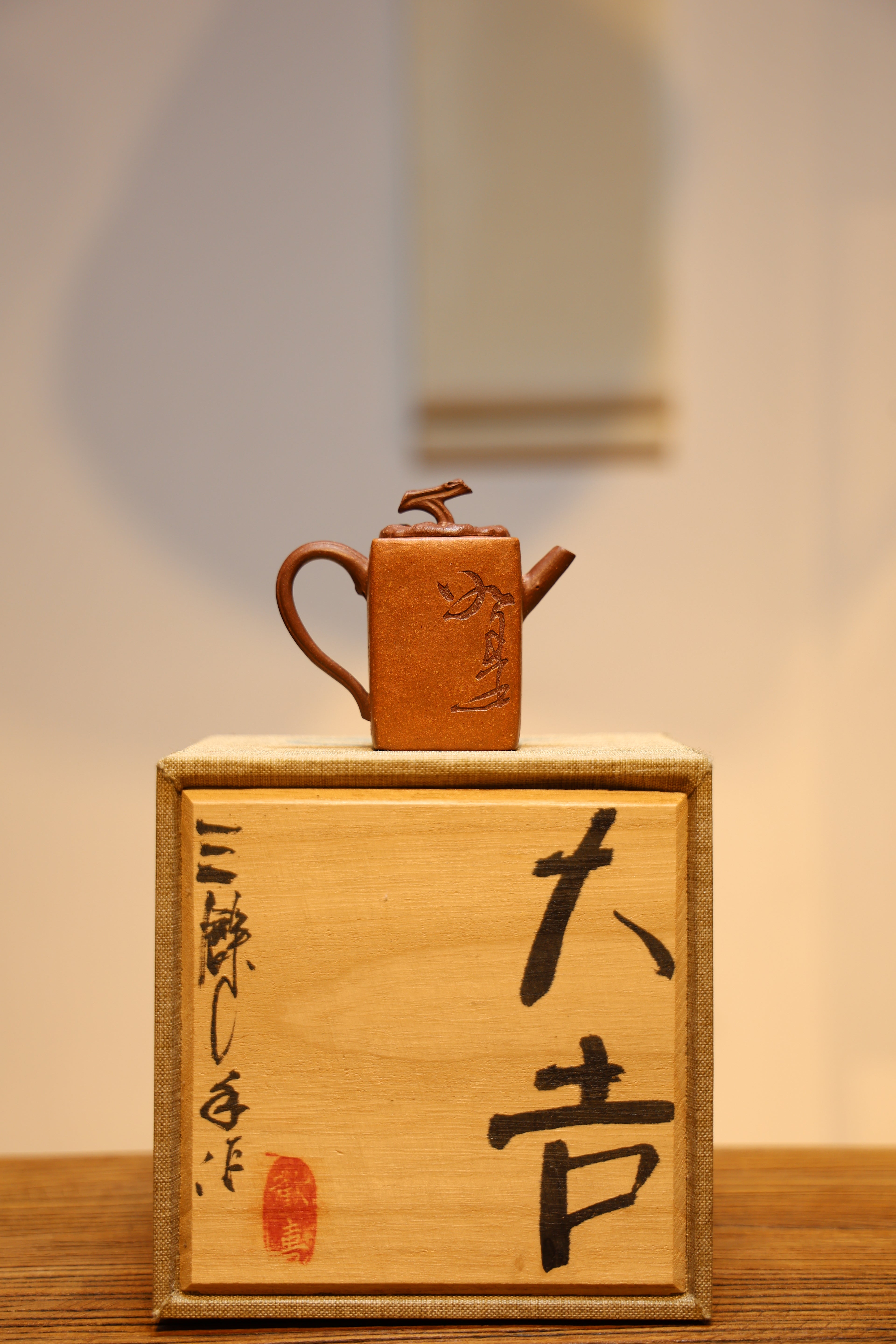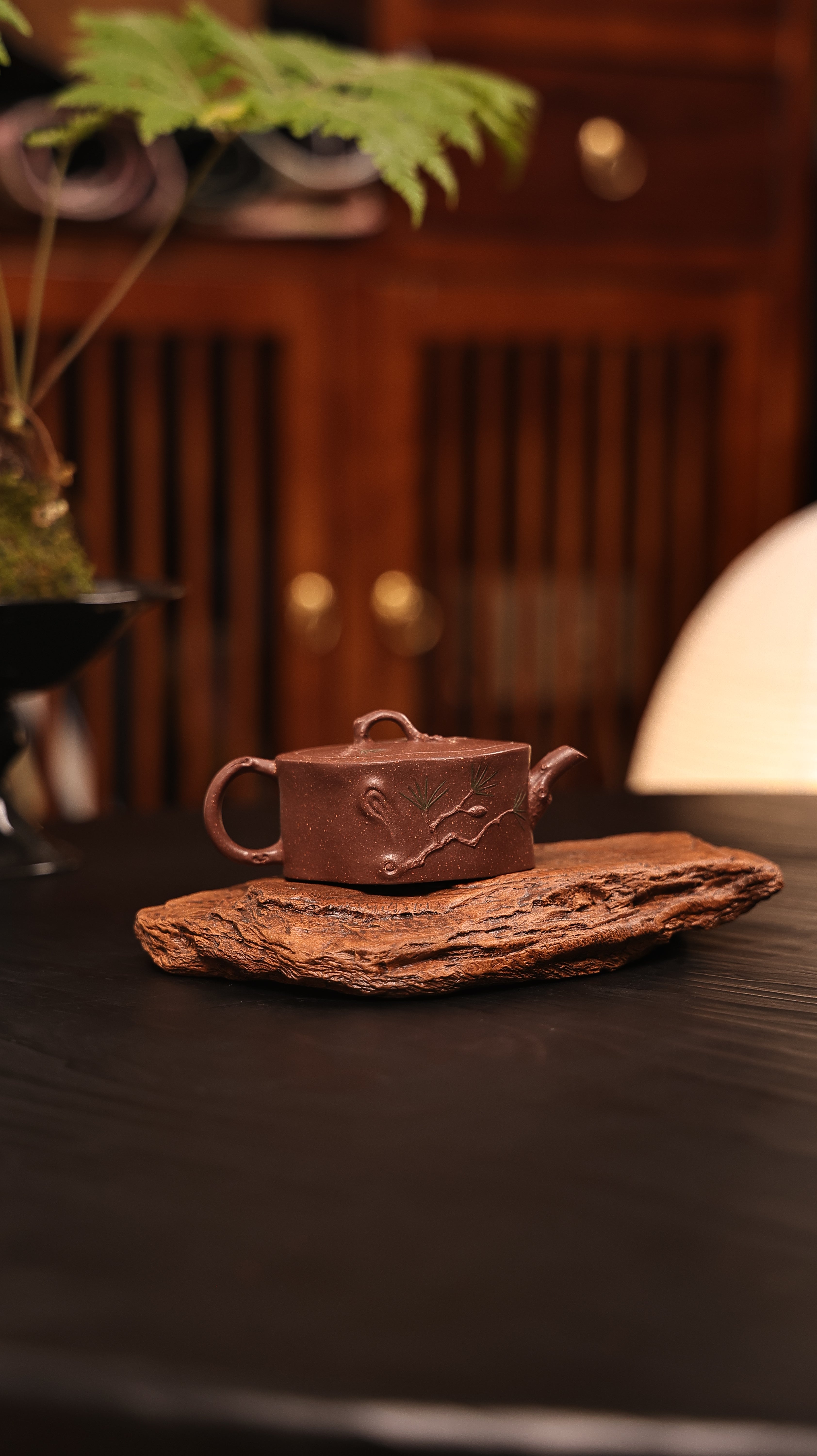
Throughout countless generational spans,
Following eras, collectors have been ensnared by the rare charm of Yixing Zisha carafes. Originating from the region of Yixing in the nation of China, these utensils are renowned for their exceptional beauty, scarce clay, and natural ability to augment the savor of the beverage. The material's distinctive mahogany hue, combined with the masterful fabrication of indigenous sculptors, creates products that are concurrently functional crafts and esteemed valuables. Gaining a Zisha teapot is more than just certain purchase; it's adopting a rich legacy heritage.
Unraveling Yixing Teapots: Evolution, Classifications, and Importance
Yixing region's teapots embody a significant tradition deeply intertwined with Chinese culture. Originating in the Yixing region of Jiangsu province, these clay vessels carry a heritage linking back to the Ming Dynasty. Preceding examples were functional, but along centuries, Yixing teapot manufacturing evolved into an esteemed art form. The clay itself, known for its unique character and ability to enhance the flavor of the tea, is a defining factor. Yixing teapots surface in various models, broadly categorized by shape: Standard such as Zhuni (purple clay) and Bisheng, as well as unique designs. The value of a Yixing teapot centers on several factors, including the Zisha Teapot potter’s standing, the age of the piece, the rarity of the clay, and its aesthetic allure.- Background: Ming Dynasty
- Element: Different forms
- Valuation Parameters: Historical period
Art of Zisha Pottery: Skill and Creators
One crafting of a bona fide Zisha teapot is a sophisticated process, requiring generations of mastery. Seasoned artisans meticulously source the excellent Zisha clay, a uncommon earth found only in specific regions of China. Established techniques, often relayed through families, involve meticulous shaping, sensitive carving, and methodical firing in ancient furnaces. The definitive teapot isn't merely a container; it's a testament to expressive vision and the significant connection between the fabricator and their roots. Each artifact showcases the unique touch of the specialist, resulting in a truly unparalleled work of masterpiece.
Historical Artefacts: Uncovering the Comprehensive Legacies of Yixing Domain
Renowned Yixing, set in Jiangsu the region, is broadly renowned for its exceptional clay pots – a tangible representation of centuries of Chinese craftsmanship. These aren't merely vessels for brewing tea; they are intricate works of mastery, often reflecting traditional ideals. Yixing's unique purple clay, known as Zisha, possesses unique qualities: the matter dense, permeable, and imparts a subtle quality to the tea.
- Plentiful clans have honed the techniques of Yixing urn making, passing down exclusive methods through families.
- Devotees prize these pieces for their charm and scarcity.
- Particular pot tells a legend, connecting the user to a rich heritage.
Considering Yixing Zisha: Important Factors
During analyzing buying Yixing Zisha clayware, numerous parameters command careful attention. To begin with, the soil's tint is key; authentic Zisha conventionally exhibits a pronounced reddish-brown shading. Moreover, assess the workmanship; distinct aspects and a polished coating reveal proficient making. At last, study the fabricator's profile; famous names earn enhanced rates and often afford a stronger yield.
Zisha Teapot Tea Brewing Mastery
Producing appetizing tea with a Zisha jar is more beyond a simple procedure; it's an discipline. Zisha clay, celebrated for its unique mineral composition, imparts a elegant character to the crafted tea that’s often unavailable with other wares. The correct water heat is vital; typically, subdued than what's used for black tea, to conserve the tea's perfume and palate. Consider carefully the tea breed; delicate green teas or aged pu-erhs prosper from the Zisha’s ability to mellow their intrinsic edge. It’s important to purify the teapot preceding brewing, and to refrain from over-steeping. Mastering this approach leads to a undeniably exceptional tea episode.
- Knowing Zisha Clay
- Liquid Heat & Tea Classification
- Essence of Tempering
Looking After Your Distinctive Teapot
In an effort to maintain the lifespan of your adored Yixing kettle, regular management is truly required. Avoid using soap; instead, lightly clean it with mildly heated fluid. Avoid rapid heat; please don't put the earthenware directly onto a heated foundation. Periodically, condition the jar by steeping it with superior black concoction, as this assists to amplify its patina and shields the unique features of the dirt.
About Dirt to Container: The Development of a Yixing Utensil
A creation of a Zisha teapot is a intriguing system, a demonstration to both the globe's bounty and the mastery of the maker. It launches with the careful extraction of the singular clay from the burgundy Zisha mines near Yixing. This untreated material, known for its magnificent qualities, is then deliberately filtered and organized for the primary forming. The container's silhouette is skillfully constructed using a amalgamation of longstanding wheel throwing processes, often incorporating fancy figurings. Following drying, the vessel undergoes a crucial first firing, complemented by a polishing stage, which might involve multiple layers of organic Zisha solutions. Finally, a second, and sometimes third, firing at strong temperatures solidifies the manufacture, revealing its resolved beauty and exceptional characteristics - a genuine masterpiece, prepared to adorn a tea practice.
{Yixing Teapots: A Manifestation of a Way of Life and Valuation
Famous Yixing teapots, originating from the renowned Yixing region of Jiangsu province, are far more than mere containers for brewing the beverage; they represent a significant aspect of Chinese artistry. Formed from distinctive purple clay – zisha – these remarkable teapots are highly treasured for their ability to boost the flavor of the tea and, crucially, for their loveliness. The record of Yixing teapot making spans centuries, and the talent involved is transmitted through generations, making each teapot a masterpiece that embodies classical techniques and a profound appreciation for the refined pleasures in life.