Within the domain of lasting customs,
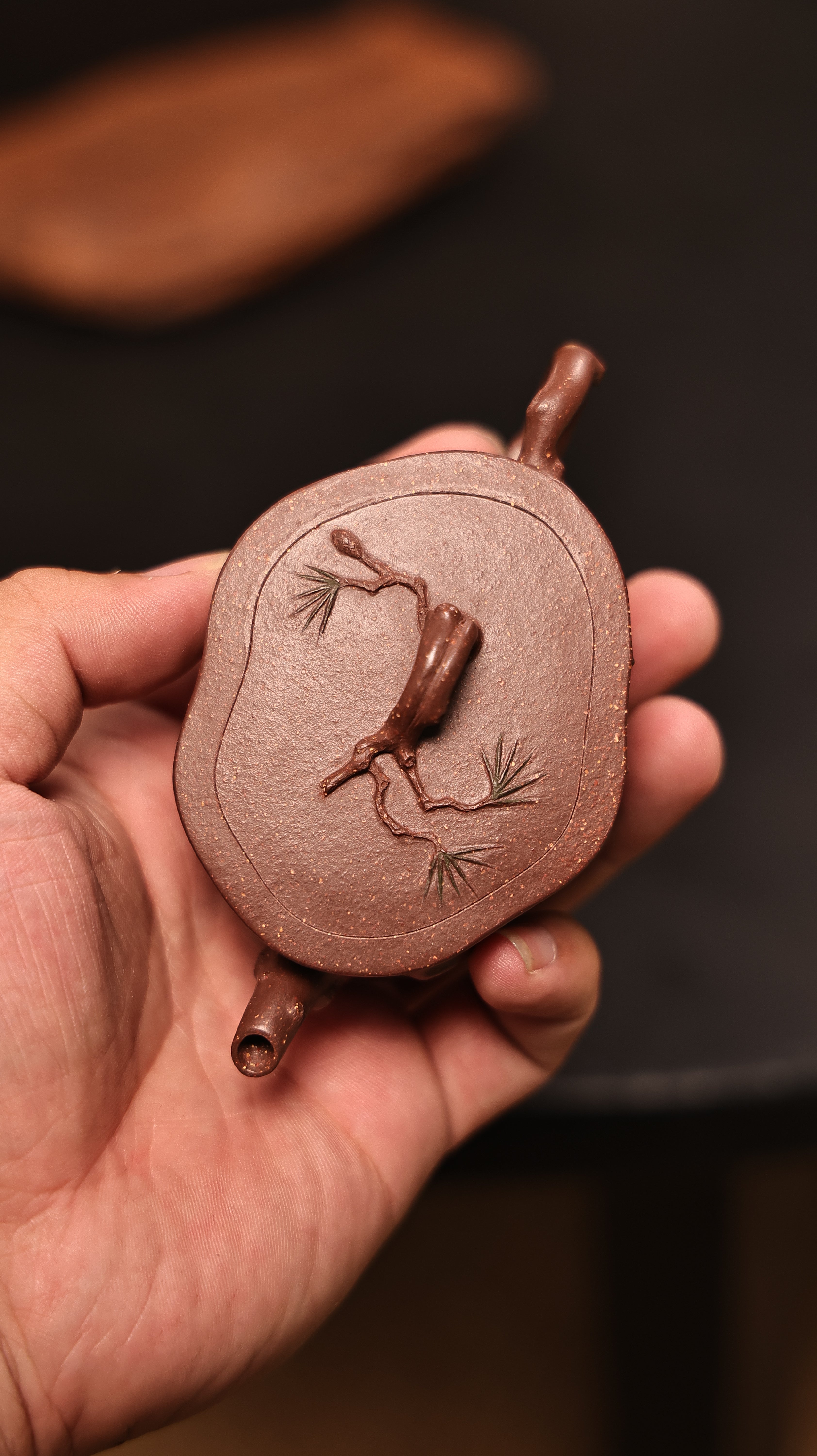
Throughout decades, collectors have been enchanted by the extraordinary charm of Yixing Zisha pitchers. Originating from the realm of Yixing in the eastern province, these implements are renowned for their prominent beauty, singular clay, and inherent ability to improve the taste of the drink. The substrate's distinctive burgundy hue, combined with the adept creation of provincial fabricators, creates objects that are concurrently functional masterpieces and coveted properties. Possessing a Zisha teapot is more than just certain purchase; it's welcoming a rich legacy heritage.
Unraveling Yixing Teapots: Evolution, Classifications, and Importance
The renowned Yixing teapots stand as a profound legacy deeply intertwined with Chinese culture. Beginning in the Yixing region of Jiangsu province, these clay vessels have a heritage dating back to the Ming Dynasty. Former examples were functional, but through centuries, Yixing teapot creation evolved into an esteemed art form. The clay itself, known for its unique grain and ability to influence the flavor of the tea, remains a defining factor. Yixing teapots materialize in various kinds, broadly categorized by shape: Standard such as Zhuni (purple clay) and Bisheng, as well as advanced designs. The worth of a Yixing teapot centers on several factors, including the potter’s standing, the age of the piece, the rarity of the clay, and its aesthetic allure.- Origins: Ming Dynasty
- Element: Different forms
- Assessment Factors: Historical period
Zisha Pot Creation: Methods and Potters
That production of a original Zisha teapot is a challenging process, requiring years of competency. Experienced artisans meticulously select the best Zisha clay, a distinctive earth found only in specific regions of China. Classic techniques, often handed down through families, involve precise shaping, fine carving, and slow firing in ancient calcining chambers. The ultimate teapot isn't merely a object; it's a testament to imaginative vision and the deep connection between the creator and their heritage. Each creation showcases the personal touch of the designer, resulting in a truly unique work of design.
The Clayware: Discovering the Extensive Traditions of Yixing Province
This Yixing, placed in Jiangsu Province, is universally renowned for its exceptional culinary pots – a tangible representation of centuries of Chinese culture. These aren't merely vessels for creating tea; they are intricate works of skill, often reflecting intellectual ideals. A unique Zisha Teapot purple clay, known as Zisha, possesses distinctive qualities: the clay dense, porous, and imparts a subtle note to the tea.
- Diverse families have honed the techniques of Yixing vessel making, passing down time-honored methods through generations.
- Aficionados prize these pieces for their attractiveness and rarity.
- Some urn tells a account, connecting the drinker to a rich heritage.
Entering Yixing Zisha: Key Considerations
During analyzing get Yixing Zisha teapots, various considerations expect careful review. Firstly, the earth's tone is vital; authentic Zisha ordinarily exhibits a identifiable auburn hue. Furthermore, examine the artistry; clear markings and a sleek overlay demonstrate accomplished production. To finish, examine the artisan's credentials; famous names earn enhanced rates and often afford a secure yield.
The Art of Brewing Tea with a Zisha Teapot
Brewing palatable tea with a Zisha carafe is more over a simple practice; it's an science. Zisha clay, famous for its unique elemental composition, imparts a nuanced character to the finished tea that’s often wanting with other implements. The suitable water level is crucial; typically, milder than what's used for black tea, to preserve the tea's essence and quality. Consider diligently the tea selection; delicate green teas or aged pu-erhs thrive from the Zisha’s ability to reduce their primitive edge. It’s vital to cleanse the teapot before brewing, and to exclude over-steeping. Mastering this skill leads to a authentically exceptional tea experience.
- Realizing Zisha Clay
- Heat Intensity & Tea Selection
- Value of Warming Up
Maintaining Your Esteemed Container
For the purpose of extend the continuity of your beautiful Yixing jar, routine attention is decisively indispensable. Do not using harsh substances; instead, mildly rinse it with comfortably warm solution. Dodge abrupt temperature; please don't place the container directly onto a heated foundation. Periodically, mature the urn by infusing it with first-rate aged drink, as this contributes to boost its flavor and conserves the inherent merits of the substance.
Dealing with Earthenware to Drinkware: The Journey of a Renowned Ceramic
This creation of a Zisha teapot is a extraordinary method, a evidence to both the earth's bounty and the craft of the handworker. It commences with the thorough extraction of the unique clay from the magenta Zisha mines by Yixing. This unfired material, known for its remarkable peculiarities, is then slowly filtered and arranged for the first forming. The container's profile is expertly constructed using a amalgamation of longstanding wheel throwing processes, often incorporating fancy enhancements. Following curing, the container undergoes a fundamental first firing, consecutively done by a glazing stage, which might involve various layers of genuine Zisha overlays. Finally, a second, and sometimes third, firing at maximum temperatures brings the creation, revealing its complete beauty and extraordinary characteristics - a bona fide masterpiece, arranged to compliment a tea ceremony.
{Yixing Teapots: A Embodiment of Chinese Civilization and Recognition
Famous Yixing teapots, originating from the renowned Yixing region of Jiangsu province, are far more than mere containers for brewing infusions; they represent a significant aspect of Chinese heritage. Produced from distinctive purple clay – zisha – these extraordinary teapots are highly cherished for their ability to elevate the flavor of the tea and, crucially, for their grace. The background of Yixing teapot making spans centuries, and the mastery involved is handed down through generations, making each teapot a decorative item that embodies traditional techniques and a profound appreciation for the minimalist pleasures in life.