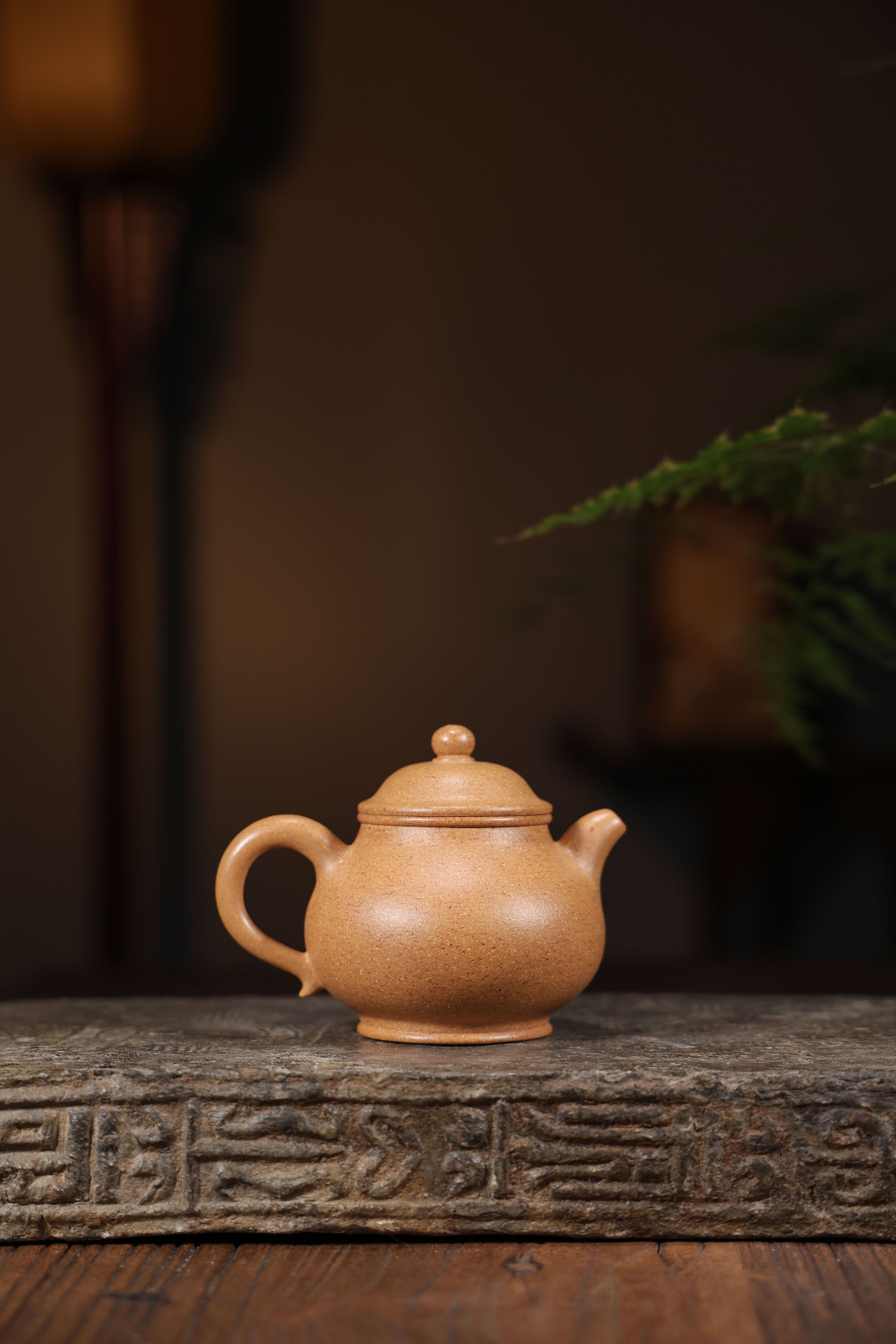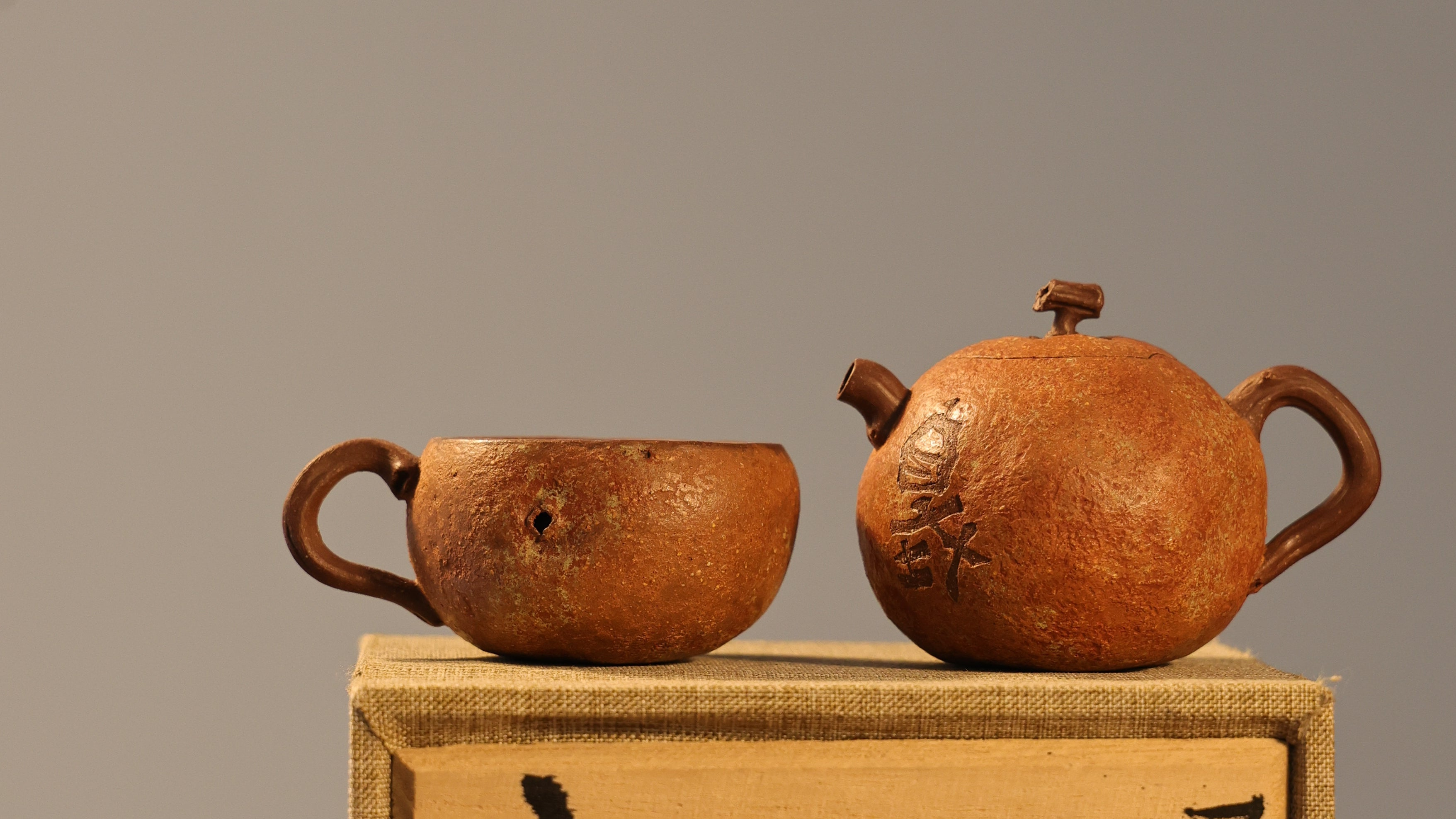
Sustained legacy shapes Chinese mugs around epochs,
Representing singular traits taken out of regional plum minerals, those earthenwares gain a luster amid employment, refining bouquet drawn from infused infusions.
Comprehending Yixing Earth: Detailed Insights into Zisha
Myriad lovers celebrate the peculiar consistency of Yixing indigo clay, a bedrock of classic Chinese pottery. Appearing from the Yixing region of Jiangsu province, this valuable clay presents an fine mineral constitution, what delivers amazing qualities to the crafted wares. Forms within Zisha, including Bing Mud, Duan Ni Mud, and Jiang Xi Mud, each demonstrates specific tones, feels, and baking traits, shaping the absorption and the decisive taste maturation of the drink.
Eastern Carafe Usages: Exploring Artistry
Eurasian teapots embody exceeding mere containers for extract; they express centuries of cultural technique. From the famous Yixing clay variations, respected for their porous nature which bestows special tones to the infusion, to the delicate porcelain from Jingdezhen, each piece discloses a tale of artistry. The construction process is an involved task, often handed over through tribes of masters. These connoisseurs use classic techniques such as hand-building, carving on wheels, and embellishing, demonstrating profound reverence for the matter and the art itself. Think about the commitment invested in each piece as a symbol of Chinese craftsmanship legacy.
- Zisha jugs: a classic pick.
- Jingdezhen ware teapots: valued for their graceful design.
- Constructing techniques: a arduous yet fruitful procedure.
Purple Clay Pot Treatment: Safeguarding Your Adored Belonging
Sufficient handling of your valued Yixing Zisha container is paramount to extending its aesthetic. Crafted from exclusive purple sand earth, these outstanding teapots attain a rich patina after service, decidedly boosting their allure. Avoid cleansers; a careful rinse with lukewarm fluid is effective. Resist boiling water for rinsing the teapot, as it may weaken its body. Allow it to dry away from harsh sun beams. Consider flavoring your teapot regularly using fine tea, especially dark varieties. Here is a brief summary:
- Cleanse with temperate aqueous.
- Shun soaps.
- Permit it to evaporate moisture.
- Mature with top-grade tea.
Roots of Yixing Teapots: Foundational Periods
The saga of Yixing teapots arises fundamentally during the Ming dynasty, around the 16th century. Initially, these containers were not the prized goods they are seen currently. They were made by regional potters using the distinctive purple clay sourced solely in the Yixing vicinity. These early works were largely utilitarian, designed for everyday use and often simple in composition. It was not until the posterior dynasty that they opened to earn honor beyond mere serviceable objects.
Opting For the Proper Zisha Teapot: A Starter's Explanation
Starting the universe of Yixing teapots can be challenging, but avoid concern! For novices, the central factor is understanding the sediment. Original Yixing clay is prized for its ventilation, allowing the teapot to absorb the tea's flavor over time, increasing every extracting session. Evaluate the shape; traditional round shapes prevail, yet specific preferences influence. Lastly, assess the surface—while some favor an basic appearance, others value a mild gloss. Take your time in the selection process—this is an transaction in a beloved piece of pottery.
Zisha Jars and Their Contribution on Chinese Tea Legacy
Zisha pots, originating from Yixing, China, have profoundly changed established Chinese tea culture. Those Yixing clay teapots, prized for their unique complexion, consistency, and exceptional ability to impart a subtle taste to the liquid, are more than mere utensils; they are respected works of art and symbols of prominence. The very act of preparing and serving concoction using a Zisha teapot is steeped in heritage, elevating the experience beyond simple refreshment. Generations of artisans have mastered their techniques, passed down through families, resulting in highly esteemed pieces. As a result, Zisha teapots are frequently held, playing a crucial part in cultivating Purple Clay Teapot national appreciation for aesthetics and the ritual of drink ceremonies.
- Singular Clay Composition
- Providing Subtle Flavor
- Detailed Craftsmanship
Determining Verified Precious Local Pottery
Procuring a authentic Yixing teapot can be a satisfying experience, but the environment is often infested with frauds. Differentiating between a original antique and a modern reproduction requires detailed inspection. Key hints include the clay's earthy shade, often displaying marked designs, and the nonexistence of modern roasting imprints. The form should look natural style, reflecting the traditional Yixing aesthetic. Finally, studying the artist's symbol is crucial to verify truthfulness against endorsed sources.
- Assess the clay's structure.
- Look for inconsistencies, indicative of handcrafted quality.
- Engage an connoisseur for validation.
Investing in Chinese Containers: A Informative Primer to Pottery Interpretation
The environment of Yixing Zisha pottery affords a special option for shrewd collectors. More and more, the price of these custom artifacts is determined by numerous variables, such as the rank of component, the expertise of the potter, the cultural importance, and, naturally, the ongoing demand. Novices should emphasize on studying the several kinds of Zisha clay—such as Glacial, Peaceful Container, and Ruby Mud—and exploring the aspects linked to each. Precise analysis of the earthenware's figure, tone, and stamp is further crucial to make knowledgeable selections when investing.