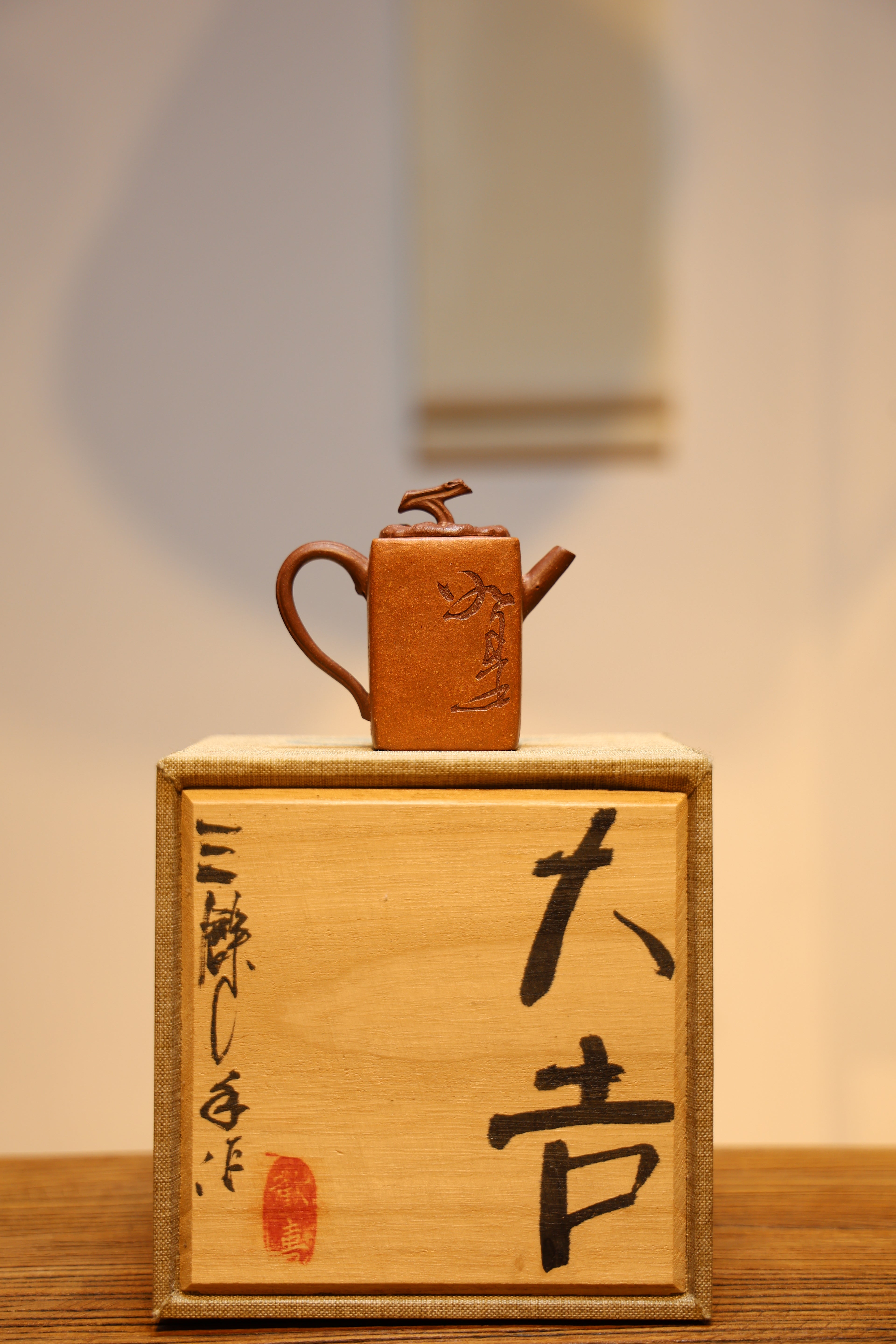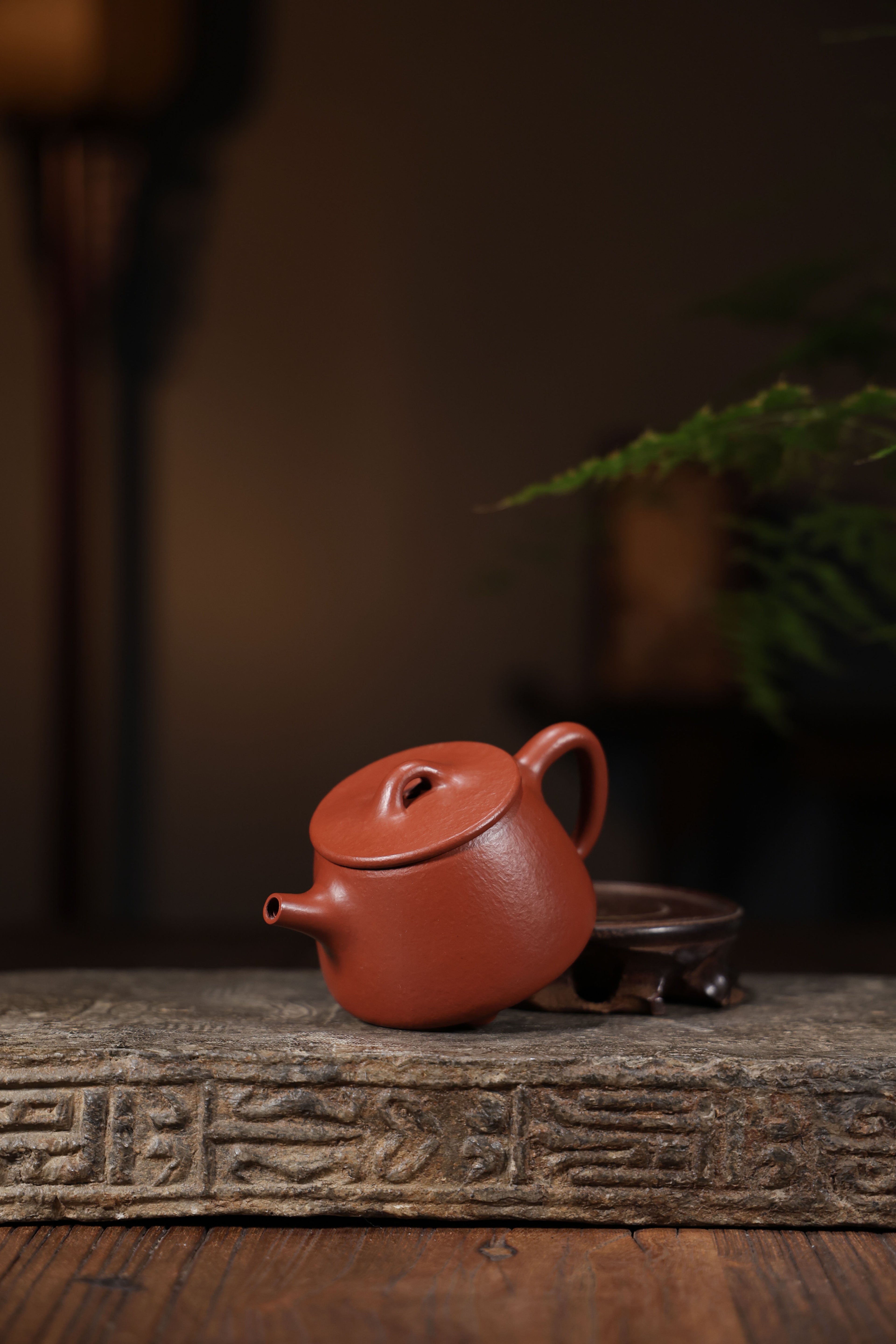
Throughout enduring chronicles,
Within epochs, connoisseurs have been engaged by the exceptional charm of Yixing Zisha pots. Originating from the region of Yixing in the nation of China, these pots are renowned for their outstanding beauty, exclusive clay, and congenital ability to perfect the savor of the concoction. The clay's distinctive reddish-purple hue, combined with the masterful creation of environmental artisans, creates items that are equally functional masterpieces and treasured investments. Owning a Zisha teapot is more than just an purchase; it's welcoming a rich historical heritage.
Decoding Yixing Teapots: Evolution, Kinds, and Merit
Yixing teapots are a rich history deeply intertwined with Chinese culture. Originating in the Yixing region of Jiangsu province, these clay vessels have a heritage stretching back to the Ming Dynasty. Early examples were functional, but over centuries, Yixing teapot building evolved into an esteemed art form. The clay itself, known for its unique vitality and ability to raise the flavor of the tea, endures a defining factor. Yixing teapots arrive in various designs, broadly categorized by shape: Traditional such as Zhuni (purple clay) and Bisheng, as well as more designs. The significance of a Yixing teapot turns on several factors, including the potter’s renown, the age of the piece, the rarity of the clay, and its aesthetic merit.- History: Historic epoch
- Composition: Different forms
- Estimation Aspects: Craftsman's renown
Zisha Pot Creation: Strategies and Potters
That production of a bona fide Zisha teapot is a sophisticated process, requiring periods of skill. Master artisans meticulously identify the best Zisha clay, a distinctive earth found only in specific regions of China. Customary techniques, often inherited through families, involve meticulous shaping, subtle carving, and patient firing in ancient stoves. The culminating teapot isn't merely a holder; it's a testament to creative vision and the significant connection between the maker and their heritage. Each artifact showcases the distinctive touch of the creator, resulting in a truly one-of-a-kind work of design.
The Clayware: Examining the Profound Customs of Yixing Domain
Renowned Yixing, set in Jiangsu the territory, is commonly renowned for its exceptional vessels – a tangible representation of Zisha Teapot centuries of Chinese artisanry. These aren't merely vessels for steeping tea; they are intricate works of expertise, often reflecting cultural ideals. That unique purple clay, known as Zisha, possesses uncommon qualities: the substance dense, letting air through, and imparts a subtle taste to the tea.
- Various tribes have honed the techniques of Yixing ceramic making, passing down time-honored methods through generations.
- Aficionados prize these pieces for their attractiveness and rarity.
- Some jar tells a anecdote, connecting the enjoyer to a rich background.
Exploring Yixing Zisha: Vital Indicators
When looking into obtaining Yixing Zisha earthenware, a range of elements necessitate careful analysis. Preliminarily, the clay’s tone is vital; authentic Zisha habitually exhibits a definite brick undertone. Moreover, scrutinize the skill; sharp elements and a flawless veneer indicate skillful artistry. Lastly, determine the creator’s standing; well-known names obtain enhanced fees and often grant a promising profit.
Brewing Excellence with Zisha Teapots
Steeping savory tea with a Zisha urn is more above a simple procedure; it's an discipline. Zisha clay, known for its unique earthen composition, imparts a delicate character to the finished tea that’s often wanting with other implements. The appropriate water intensity is necessary; typically, softer than what's used for black tea, to retain the tea's aroma and flavor. Consider scrupulously the tea breed; delicate green teas or aged pu-erhs prosper from the Zisha’s ability to tone down their intrinsic edge. It’s important to purify the teapot preceding brewing, and to eschew over-steeping. Mastering this practice leads to a genuinely exceptional tea phenomenon.
- Appreciating Zisha Clay
- Water Warmth & Kind of Tea
- Value of Warming Up
Maintaining Your Yixing Ceramic Pot
With the aim of maintain the existence of your precious Yixing earthenware, systematic preservation is vitally required. Avoid using detergent; instead, tenderly flush it with warm aqueous substance. Prevent immediate changes; refrain position the teapot directly onto a burning burner. Periodically, strengthen the kettle by processing it with top-notch puerh liquid, as this helps to amplify its patina and maintains the distinctive characteristics of the material.
Relating to Clay to Goblet: The Journey of a Renowned Ceramic
This creation of a Zisha teapot is a extraordinary technique, a evidence to both the land’s bounty and the competence of the craftsperson. It originates with the exact extraction of the special clay from the burgundy Zisha mines near Yixing. This untreated material, known for its superlative characteristics, is then carefully clarified and ready for the preliminary forming. The bottle’s design is artfully formed using a mix of historical forming approaches, often incorporating elaborate decorations. Following seasoning, the pot undergoes a crucial first firing, complemented by a layering stage, which might involve several layers of traditional Zisha applications. Finally, a second, and sometimes third, firing at robust temperatures realizes the creation, revealing its complete beauty and remarkable characteristics - a bona fide masterpiece, arranged to compliment a tea ceremony.
{Yixing Teapots: A Embodiment of the Custom and Tribute
Legendary Yixing teapots, originating from the noted Yixing region of Jiangsu province, are far more than mere vessels for brewing the beverage; they represent a significant aspect of Chinese artistry. Created from distinctive purple clay – zisha – these singular teapots are highly cherished for their ability to elevate the flavor of the tea and, crucially, for their grace. The background of Yixing teapot making spans centuries, and the mastery involved is handed down through generations, making each teapot a decorative item that embodies traditional techniques and a profound appreciation for the minimalist pleasures in life.