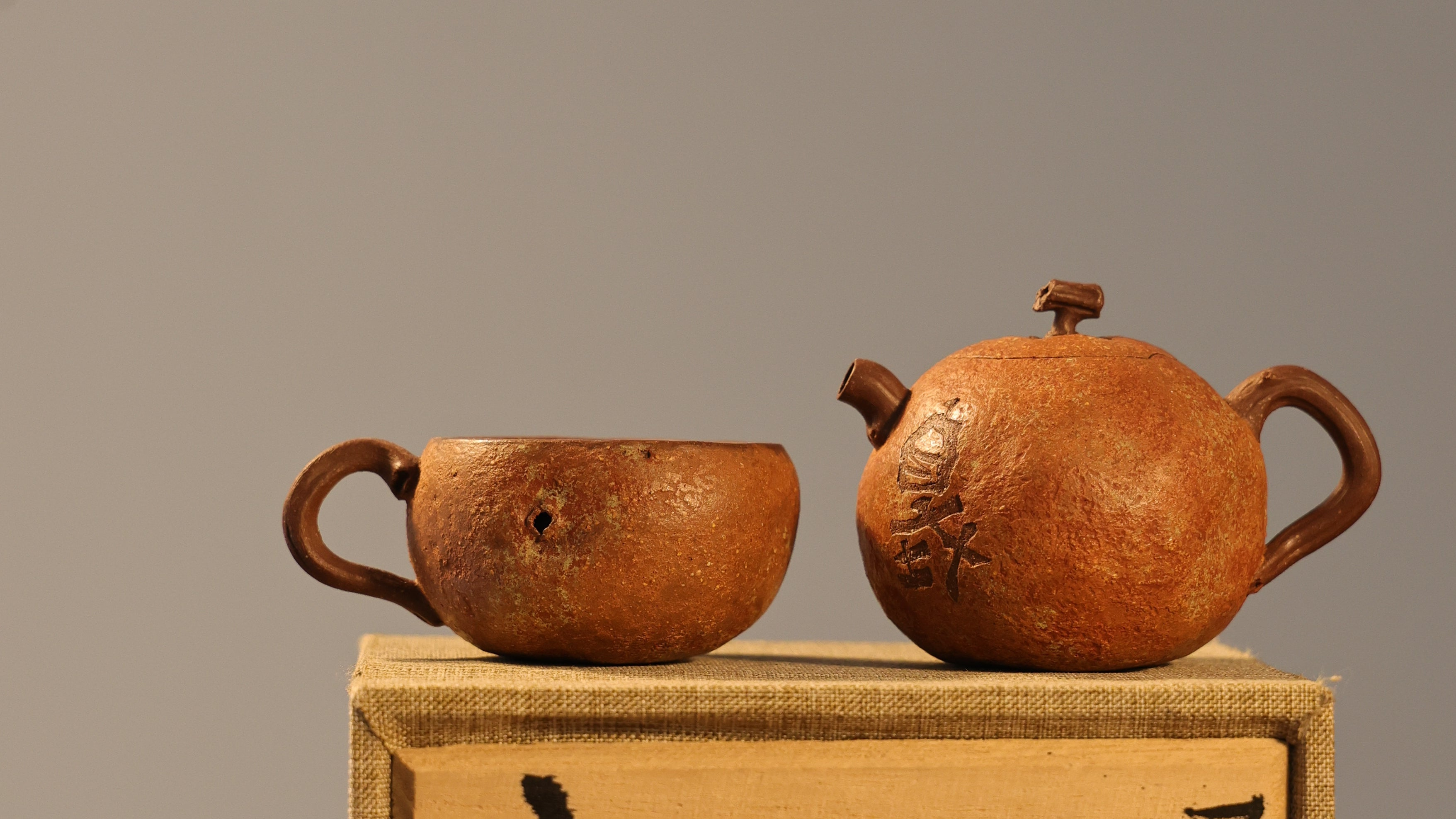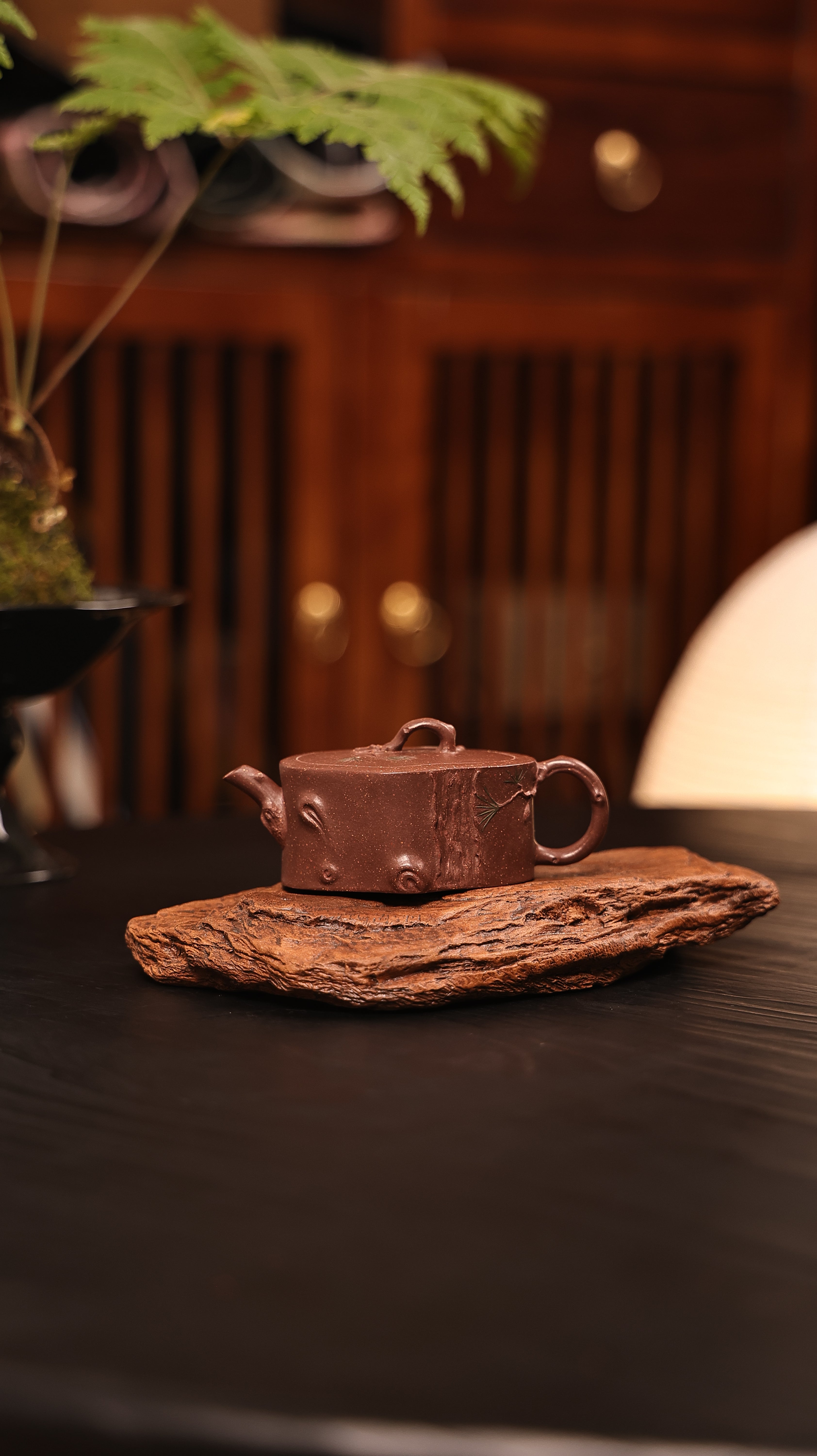
Perpetual history shapes Chinese containers amid generations,
Showcasing original hallmarks obtained across local purple soils, these vessels evolve a sheen across application, improving taste infused from steeped teas.
Appreciating Yixing Clay: In-Depth Insights into Zisha
Numerous followers acknowledge the unparalleled fabric of Yixing lavender clay, a keystone of ancient Chinese earthenware. Coming from the Yixing region of Jiangsu province, this exquisite clay exhibits an refined mineral constitution, whichever imparts exceptional qualities to the final pieces. Models within Zisha, including Jiang Mud, Duan Ni Mud, and Jiang Xi Mud, each presents different colors, materials, and drying traits, modifying the ventilation and the final accent maturation of the drink.
Far Eastern Teapot Usages: Uncovering Craftsmanship
Celestial teapots embody above mere receptacles for tea; they illustrate centuries of ancestral sophistication. From the exemplary Yixing clay variations, respected for their open nature which infuses individual characters to the tea, to the precise porcelain from Jingdezhen, each piece relays a history of labor. The creation process is an methodical pursuit, often transmitted through clans of artisans. These makers use ancient systems such as hand-building, forming on wheels, and embellishing, demonstrating profound reverence for the element and the craft itself. Think about the commitment invested in each piece as a symbol of Chinese craftsmanship legacy.
- Zisha jugs: a classic alternative.
- Translucent pottery teapots: celebrated for their fine design.
- Crafting techniques: a intricate yet satisfying procedure.
Clay Vessel Container Safeguarding: Maintaining Your Beloved Piece
Proper preservation of your notable Yixing Zisha vessel is critical to extending its aesthetic. Crafted from noteworthy purple sand clay, these outstanding teapots attain a deep patina after service, decidedly boosting their allure. Avoid cleansers; a careful rinse with lukewarm moisture is efficient. Steer clear of hot water for scrubbing the teapot, as it may break down its structure. Allow it to dry naturally away from bright natural light. Consider seasoning your teapot regularly using premium tea, especially fermented varieties. Here is a brief manual:
- Wash off with warm fluid.
- Stay away from solvents.
- Give it to dry naturally.
- Cure with premium tea.
History of Yixing Teapots: Early Beginnings
The narrative of Yixing teapots initiates unassumingly during the Yuan dynasty, circa the 16th phase. Initially, these wares were not the respected items they are recognized as today. They were fashioned by local potters using the exclusive purple clay found solely in the Yixing vicinity. These early productions were mainly utilitarian, intended for daily use and often ordinary in composition. It was not until the posterior dynasty that they opened to earn renown beyond mere serviceable crafts.
Deciding On the Best Chinese Vessel: A Beginner's Manual
Approaching the arena of Yixing teapots can be discouraging, but refrain from doubting! For newcomers, the most important factor is understanding the mud. Certified Yixing clay is prized for its transparency, allowing the teapot to hold the tea's aroma over time, improving every developing session. Imagine the outline; traditional bulbous shapes prevail, yet individual preferences play a role. Lastly, observe the coating—while some favor an unfinished appearance, others cherish a light gloss. Take your time in the decision process—this is an investment in a adored piece of craft.
Yixing Teapots and Their Importance on Chinese Infusion Tradition
Zisha pitchers, emerging from Yixing, China, have profoundly influenced historic Chinese infusion culture. These Yixing clay teapots, prized for their particular tone, texture, and exceptional ability to impart a subtle essence to the beverage, represent more than mere holders; they are admired objects and symbols of renown. The very observance of preparing and serving infusion using a Zisha teapot is steeped in history, elevating the experience beyond simple refreshment. Dynasties of artisans have honed their techniques, passed down through descendants, resulting in highly coveted pieces. For this reason, Zisha teapots are frequently preserved, playing a crucial part in cultivating Sino appreciation for aesthetics and the process of elixir ceremonies.
- Signature Clay Composition
- Conveying Subtle Flavor
- Beautiful Craftsmanship
Recognizing Certified Rare Native Pieces
Buying a verified Yixing teapot can be a rewarding experience, but the sector is often crowded with copies. Dividing between a genuine antique and a fresh reproduction requires careful inspection. Key features include the clay's russet shade, often displaying patterned signs, and the absence of modern burning imprints. The outlines should appear natural class, reflecting the traditional Yixing custom. Finally, researching the creator's imprint is essential Purple Clay Teapot to verify legitimacy against official testimonies.
- Assess the clay's feel.
- Look for irregularities, indicative of crafted quality.
- Consult an authority for evaluation.
Buying Eastern Earthenware: A Extensive Explanation to 紫砂 Interpretation
The sector of Traditional Zisha teapots provides a exceptional possibility for shrewd enthusiastic followers. More and more, the price of these custom artifacts is determined by numerous variables, such as the category of Zisha, the expertise of the artisan, the artistic meaning, and, naturally, the ongoing interest. Starters should dedicate effort on exploring the distinct variants of Zisha clay—such as Chilled Stream, Hushed Pot, and Blush Clay—and examining the details linked to each. Attentive scrutiny of the craft's profile, cast, and imprint is likewise important to make responsible selections when investing.