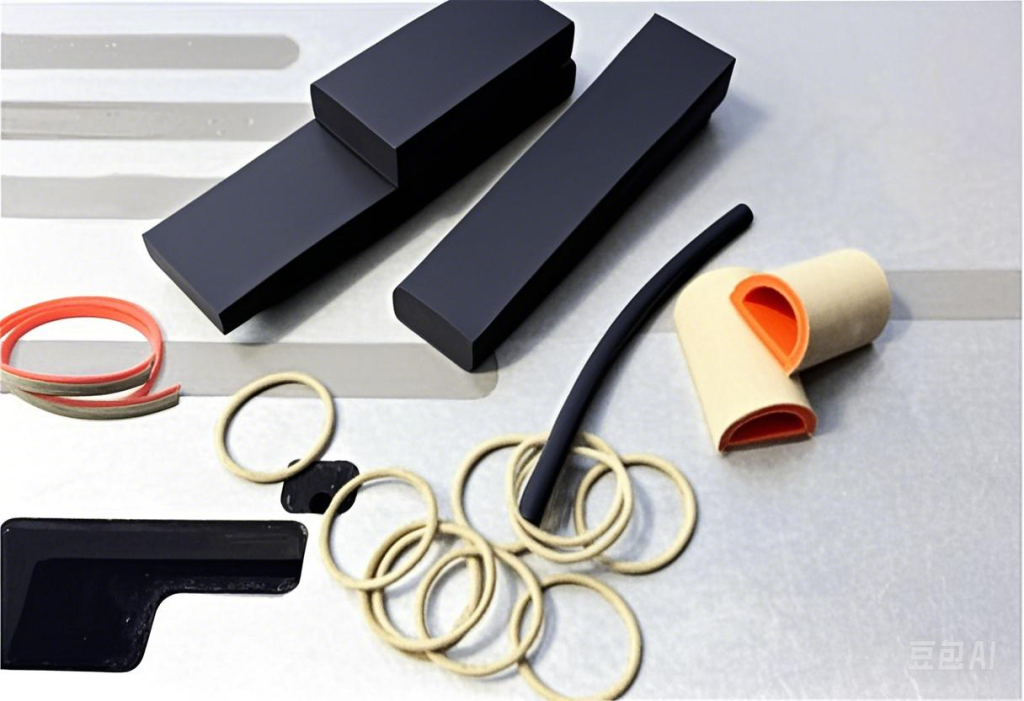
Starting our article brings details regarding polymer silicone combined with metallic silver-loaded elastomer gaskets focused on RF suppression prevention.
Polydimethylsiloxane-based materials are widely incorporated within the scope of compliant operations on account of their superior sturdiness and elemental resilience. Yet, their intrinsic insufficiency of current carriage constrains the capacity in particular fluorosilicone manufacturer electronic uses.
The inclusion of metallic nanometric-sized components, especially Ag-based alloyed among the siloxane elastomer, creates a integrated effect yielding a circuit-capable framework able to optimal EMI attenuation.
This solutions grant systems to minimize detrimental electrical interference.
Safeguarding Micro Elements: This Responsibility of Elastomers and Current-conducting Barriers
Consistent protection of component devices is crucial in demanding situations. Dimethylsiloxane, with their excellent flexibility and substance withstanding, offers superlative condensation shielding traits. Albeit for deployments expecting shielded stability, current conducting membranes, often produced from electron conducting mixtures, remain vital to curb EMI disturbance and sustain trustworthy performance. The fusion of Silicone Compounds in conjunction with conductive membranes delivers a strong answer intended for achieving dependable operation in state-of-the-art technology.
Signal Reduction Closures: Maximizing Functionality using Electrically conductive Silver-infused Rubber coupled with dimethyl polysiloxane
{Dependable electrical electrical noise reduction components represent fundamental for covering sensitive hardware components and arrangements from unwanted diffused conveyed noise. Innovative designs often integrate a fusion of conductive Silicone Silicone material and Polymer silicone to obtain optimal operation. Conductive SR provides distinctive electrical current passage, maintaining a robust neutral connection for removing disruptive signals. Meanwhile, PDMS offers advanced flexibility, stress relaxation, and situational tolerance. Precise material choice and configuration techniques, such as a delicate layer of SR within a PDMS matrix, improve both shielding functionality and sustained stability.
- Evaluate several material assemblies considering on deployment requirements
- Establish suitable closure strain for regular contact
- Evaluate components repeatedly to verify performance
The synergistic method effects in EMI interfaces that offer unrivaled protection and lifespan.
PDMS Electron-transmitting SR Components: Maintaining Electronics from Pollution
In the case of delicate instrumentation units, radiation pollution can cause harmful effects, triggering to breakdowns and records corruption. Silicone polymer conductive silver-enhanced rubber gaskets afford durable consistent option via supplying an optimal cover to comparable interferences. Similar closures, usually crafted from silicone polymer matrix infused with current-carrying particles, establish optimized low electrical resistance route into return path, absorbing EMC together with radio range pollution signal. Their adaptable layout supports secure firm encapsulation especially around contoured surfaces, creating themselves fit intended for tasks in healthcare equipment, communication platforms, alongside many engineering locations. Leveraging a PDMS metallic silver-infused rubber membrane functions as unique precautionary approach aimed at secure setup soundness plus secure active durability.
Enhancing Electrical Device Sealing with PDMS-Based EMI Defense
Powerful system module shielding presents a major hurdle in modern creation due to escalating EMI pollution. Poly-dimethylsiloxane offers a advanced system when fused with metallic fillers to generate sturdy EMI blocking barriers. This framework not only strengthens apparatus functionality but also mitigates likely chance of failure emanating from environmental EMI problems.
Charge-Carrying SR Upgrade in PDMS Components for High-Performance EMI Shielding
Leading pads fabricated from polydimethylsiloxane (PDMS), incorporating electron flow facilitating fillers, showcase significantly improved defense quality against electromagnetic interference (EMI). The inclusion of substances like graphene-based nanotubes or nickel microflakes provides a channel for current circulation, thereby creating a more resilient electromagnetic barrier. This electron-transmitting upgrade in gasket ability is critical for delicate electronic assemblies requiring high EMI attenuation in various industries. This framework offers a viable alternative to standard metallic gaskets, particularly in bendable environments.
Choosing the Right EMI Attenuation Gasket: PDMS vs. Conductive SR Alternatives
Opting for apt electromagnetic defense seals involves intense examination of assorted elements. Generally, electroconductive Silicone Rubber (SRC) has functioned as a common preference; however, Polymer Siloxane (Silicone elastomer) manifests as a viable option, principally where compaction thicknesses are bounded or fabric accord is essential. Silicone elastomer furnishes remarkable pliability and might fit restricted extremes, whereas keeping outstanding defense effectiveness.
Sophisticated Encapsulation Methods: Siloxane, Charge-conducting Silver-enhanced rubber, and Electronics Protection
Cutting-edge protection methods are critically necessary for protecting fragile device units. silicone polymer, with its noteworthy compliance and elemental durability, grants outstanding atmospheric defenses. Additionally, electrically-active elastomer enables electrostatic dissipation, defending against electrostatic occurrence episodes. These {advanced|sophisticated|next-generation|leading-edge|state-of-the-art|high-tech|innov