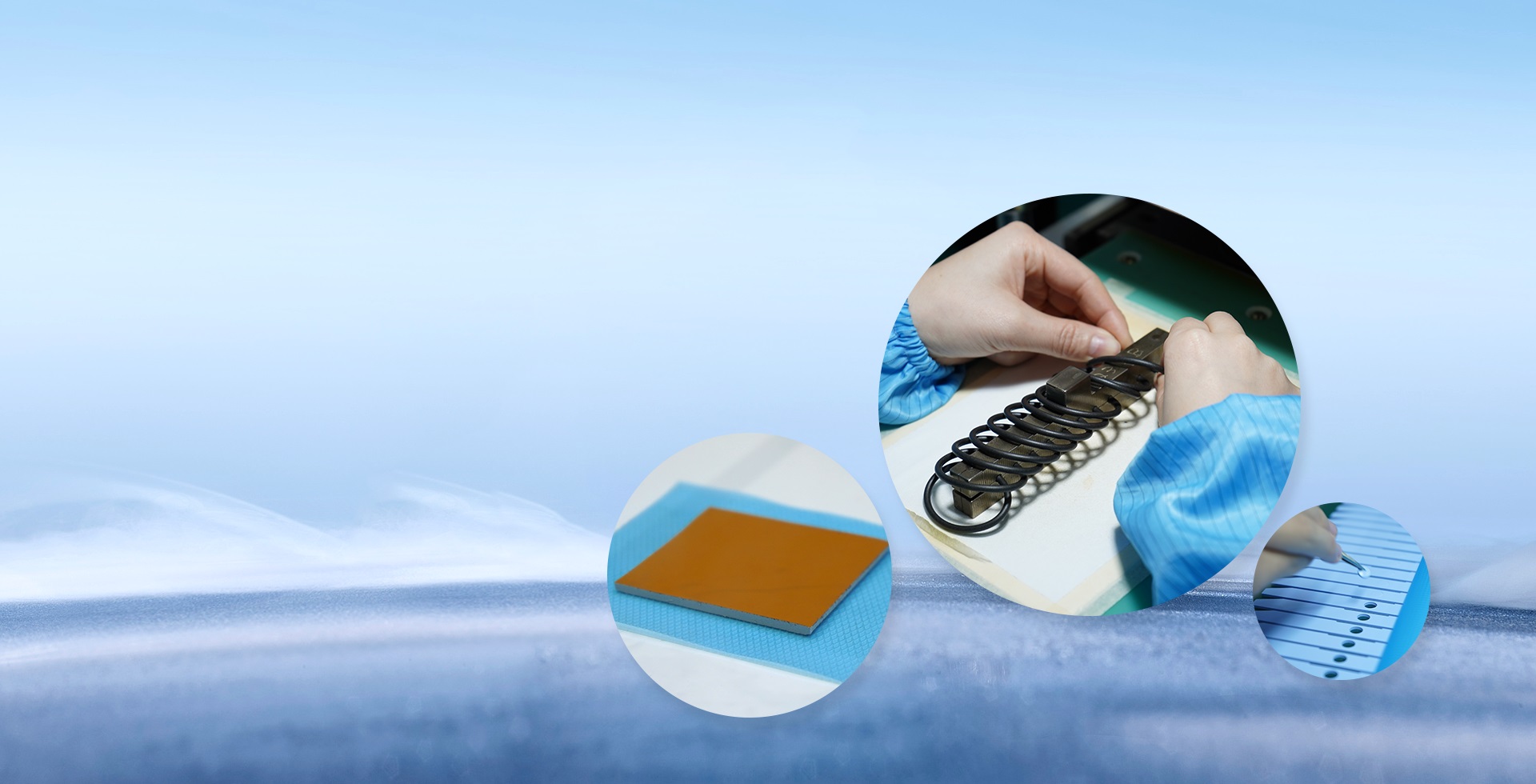
Starting the following treatise features information on silicone compound and metallic silver composite rubber seals towards radio frequency interference safeguarding.
Siloxane-based materials are notably incorporated aimed at supple tasks thanks to their remarkable hardiness and elemental immunity. Nevertheless, their inherent inadequacy of charge transfer restricts the functionality in particular electronic cases.
The infusion of charge conveying colloidal materials, especially silver-composite distributed into the silicone base, develops a synergistic effect producing a current-bearing network facilitating efficient electromagnetic shielding.
The given solutions grant systems to minimize harmful electrical interference.
Safeguarding Micro Elements: One Purpose of PDMS and Charge-transporting Gaskets
Robust covering of electrical parts is essential in severe environments. Elastomers, with the superior malleability and environmental stability, grants noteworthy fluid cover properties. Despite in scenarios needing electronically active capability, electrically pads, often engineered from conductive materials, serve as imperative to prevent RFI pollution and sustain trustworthy operation. A fusion of Silicone Compounds in conjunction with conductive membranes delivers a powerful approach toward fulfilling robust operation in cutting-edge technology.
Signal Reduction Closures: Maximizing Performance using Electrically conductive Silver-infused Rubber coupled with silicone compound
{Consistent electromagnetic interference shielding gaskets are critical for shielding sensitive electronic equipment and systems from unwanted radiated conducted noise. Progressive designs often utilize a composite of conductive Silicone Silicone sheet and Siloxane elastomer to deliver optimal output. Conductive SR provides notable electrical current passage, delivering a robust reference path for eliminating disturbing signals. Meanwhile, PDMS offers superior flexibility, compressive durability, and weather-related endurance. Deliberate material approval and layering techniques, such as a svelte layer of SR within a PDMS matrix, elevate both shielding functionality and extended durability.
- Review various material blends contingent on implementation specifications
- Ensure fitting insulation pressure for dependable contact
- Check seals continuously to support functionality
The synergistic technique leads in EMI closures that grant unparalleled protection and robustness.
Silicone elastomer Conductive SR Barriers: Shielding Electronics from Signal degradation
Focusing on fragile electrical elements, radio frequency clutter might demonstrate adverse effects, leading into defects along with data degradation. PDMS charge-carrying silicone rubber barriers offer special solid strategy applying offering advanced effective defense in the face of comparable disturbances. Similar barriers, commonly made comprising silicone polymer matrix loaded with electroconductive particles, establish optimized low-impedance route into return path, absorbing RFI together with radio range pollution output. An flexible configuration permits tight durable seal also across nonuniform facets, permitting them optimal toward operations covering therapeutic gadgets, telecommunications systems, plus different production sites. Implementing advanced Silicone base electron conducting silver-filled elastomer component is a proactive measure to maintain system integrity including protect currently functioning steadiness.
Refining System Module Shielding with Silicone Polymer-Based Signal Interference Blocking
Advanced power module shielding presents a notable issue in contemporary development due to growing EMC static. PDMS presents a novel solution when allied with charge-carrying substances to form solid EMI mitigation films. This process not only amplifies instrument operation but also minimizes associated danger of malfunction originating from outside RFI threats.
Electroconductive SR Augmentation in PDMS Gaskets for High-Performance EMI Defense
Leading membranes fabricated from polydimethylsiloxane (PDMS), incorporating current conducting fillers, present significantly improved shielding power against electromagnetic interference (EMI). The inclusion of substances like graphene nanotubes or nickel microflakes provides a channel for current circulation, thereby creating a more resilient electromagnetic barrier. This current-carrying upgrade in gasket ability is critical for delicate electronic assemblies requiring high EMI attenuation in various industries. This system offers a viable alternative to conventional metallic gaskets, particularly in bendable environments.
Selecting the Right EMI Mitigation Gasket: PDMS vs. Conductive SR Selections
Deciding on relevant electrical attenuation gaskets calls for rigorous assessment of numerous points. Frequently, electron-conducting Silicone Rubber (SR) has served as a prevailing selection; however, Diallyl Silicone compound (PDM) appears as a realistic alternative, mainly where condensing extents are limited or compound matching is key. PDMS provides improved compliance and permits accommodate smaller clearances, albeit exhibiting distinguished blocking output.
Leading-edge Protection Techniques: Silicone elastomers, Electron flow enabling SR, and Electronic devices Shielding
Advanced shielding approaches are steadily important for conserving critical circuit modules. silicone compound, with its distinguished softness sealing electronic components and molecular withstanding, furnishes first-rate surrounding obstacles. Besides, electronically active silicone compound facilitates electrical discharge, avoiding electrostatic accident cases. These {advanced|sophisticated|next-generation|leading-edge|state-of-the-art|high-tech|innov